Education
Scar Revision vs. Camouflage: Why Some Scars Need Work Before Pigment
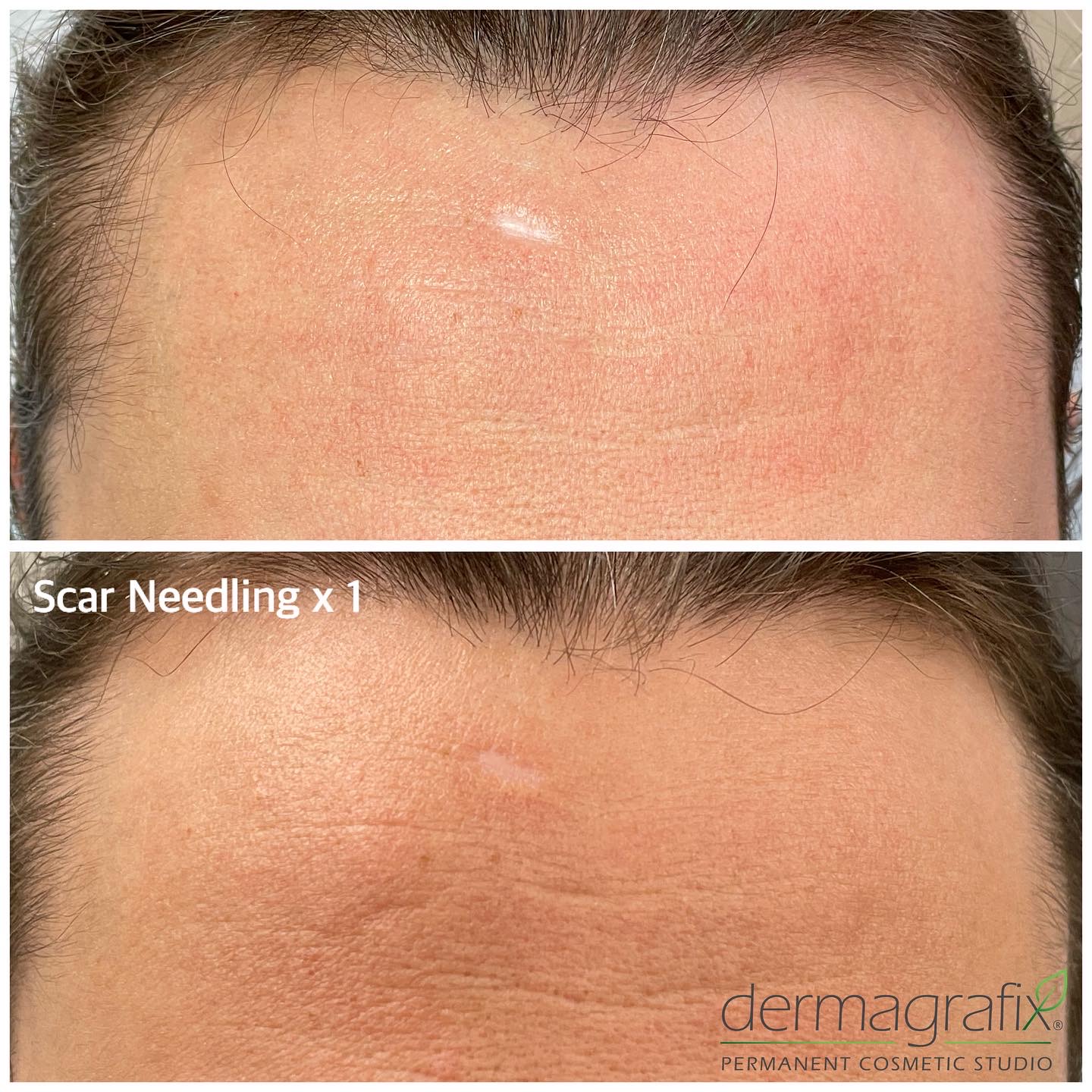
Camouflage tattooing is often described as painting over a scar, and that is the part of the work people picture. In practice, most of the outcome is decided long before any pigment is placed — by the texture, age, color, and behavior of the scar itself. Some scars are ready to receive pigment. Others need to be revised first, and a few are best left alone entirely.
What makes a scar ready for pigment
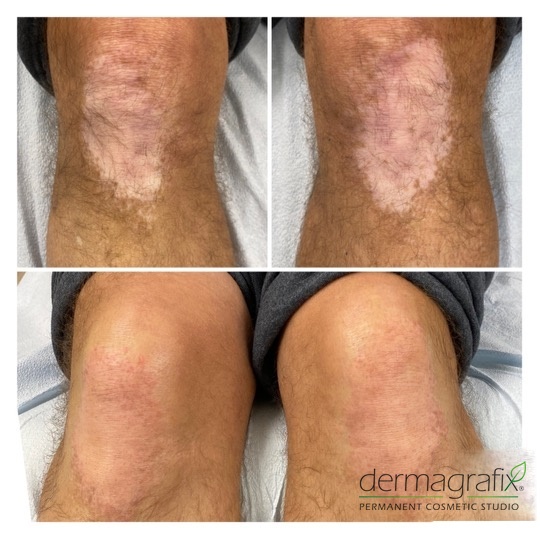
A good candidate for direct camouflage is mature — usually at least twelve to eighteen months old — flat, soft, stable in color, and pliable when you move the skin around it. Pigment sits in a flat, even surface the way it is meant to, so the eye reads continuous skin rather than a line. Fine surgical scars, healed donor sites, and many stable hypopigmented areas fall into this group.
What has to be revised first
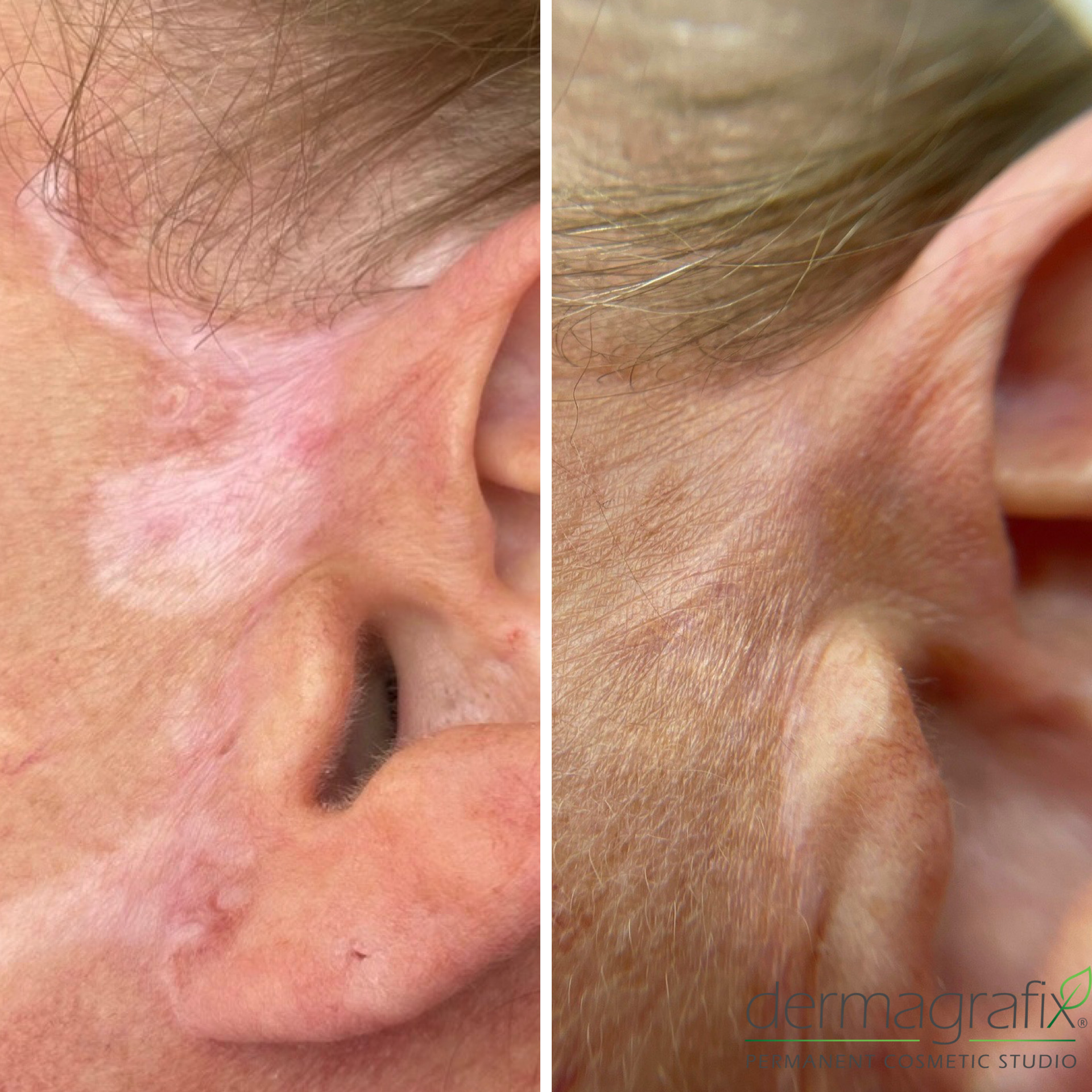
Texture is the deciding factor. A raised, indented, ridged, or tethered scar throws its own shadow, and shadow is what the eye notices — not color. Placing pigment into uneven tissue simply makes a textured scar a differently colored textured scar, and can make it more visible under raking light. Those scars are softened first, through skin retexturing and controlled micro-injury that encourages the body to remodel the collagen underneath. Once the surface sits level with the skin around it and the tissue moves freely, camouflage has something worth working on.
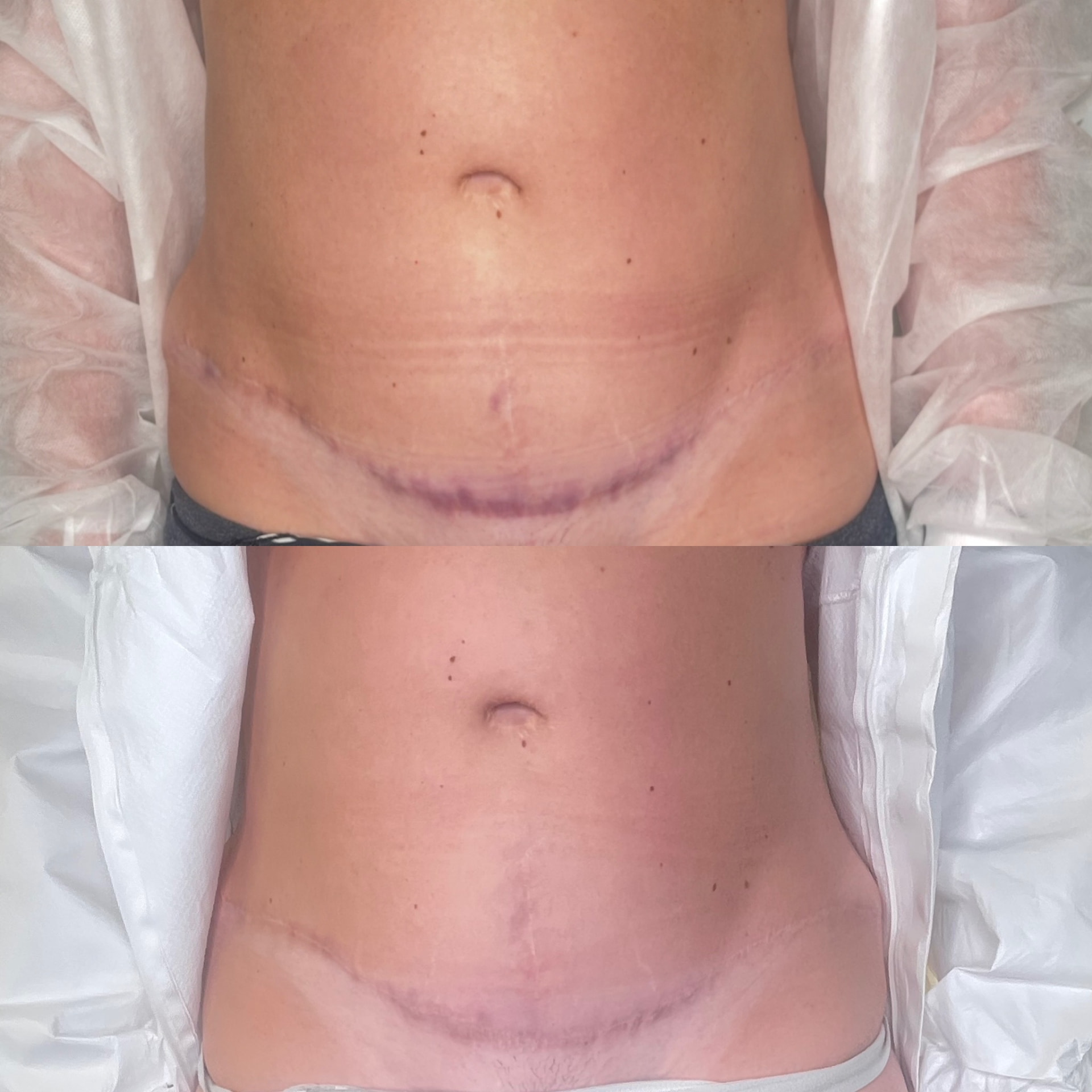
Scars that are still red, purple, or actively changing are not finished healing. Working into them risks a mismatch, because the shade you match today is not the shade the scar will settle into. Keloid-prone skin, scars over recent surgical hardware, or areas still under a physician's care need medical clearance before anything begins.
Why it takes multiple sessions
Scar tissue is not normal skin. It is denser in some places, thinner in others, and it accepts and holds pigment unevenly across a single scar. The only safe way to work with that is conservatively: a light first pass, then a wait to see what the tissue actually keeps. Each session builds on what healed from the last, and the color is adjusted to what the skin has revealed rather than to what it looked like on day one.
Healing time between sessions is a safety requirement, not a scheduling preference. Compromised tissue needs six to ten weeks to settle before it is worked again. Retexturing rounds come first and have their own spacing. That is why a small, straightforward scar might be complete in three sessions across a few months, while a large, complex, or heavily textured area can take a year or more from start to finish. Clients are frequently surprised by that timeline, which is exactly why it belongs in the conversation before the first appointment rather than after it.
The realistic goal
The aim is concealment, not erasure. A well-planned result is one you stop noticing — the scar blends into the skin around it at conversational distance, in ordinary light, without makeup. Anyone promising a scar will disappear entirely is describing something skin does not do.
Read more about inkless scar retexturing and scar camouflage tattooing, or see healed results from real clients.